Narrated by Study Buddy Narration
Voiceover Engine • Interactive Audio Sync
0:009:00
Learning Objectives & Key Takeaways
0 / 4 Completed- Understand Next.js 16 & React 19 core architecture and runtime execution model
- Audit real-world latency, throughput benchmarks, and memory footprint
- Implement zero-downtime deployment patterns with resilience guards
- Verify code snippets and architect blueprints against production SLOs
🚀 Architecture Ready
100%
What you will learn
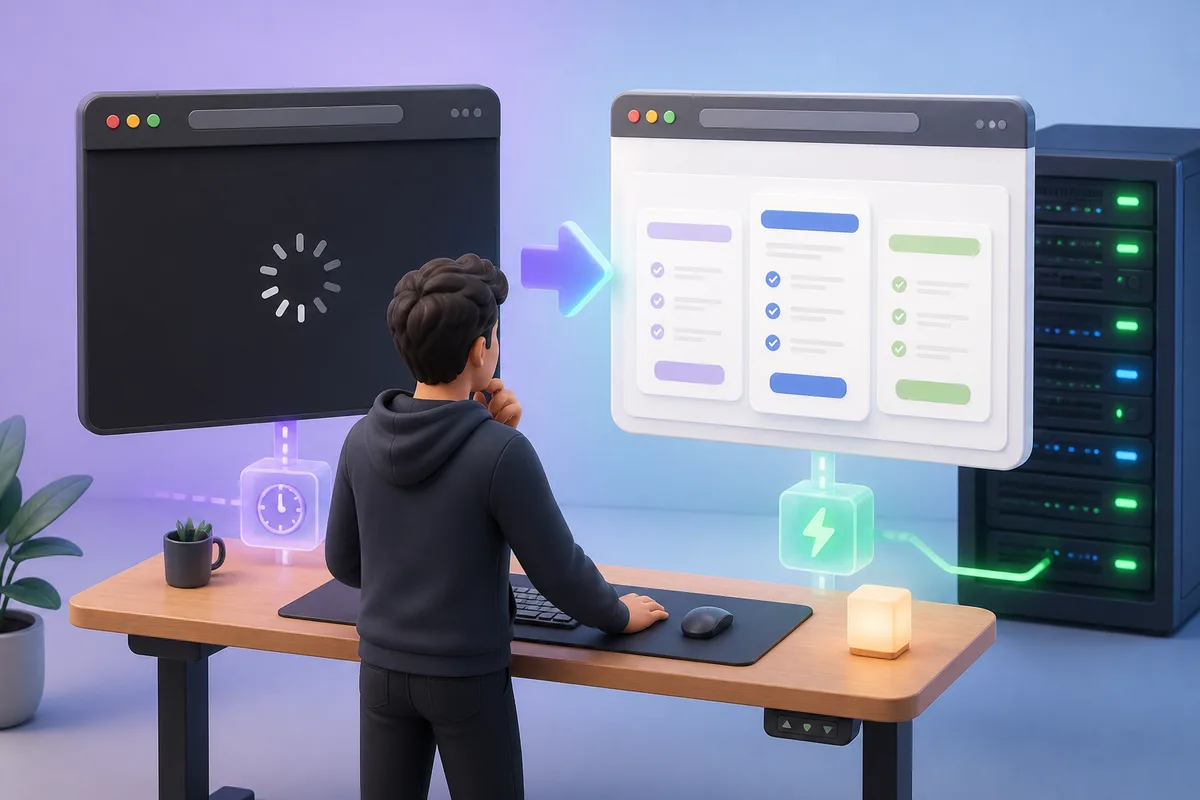
- Sequential awaits inside a Server Component create invisible waterfalls that block the entire page from sending any bytes
- Suspense boundaries plus the use() hook let independent data slices stream in parallel instead of one after another
- Granular streaming cut our dashboard p95 from 4.2s to 1.1s, but it trades simplicity for careful error and layout handling
The Incident: A Dashboard That Took Its Time
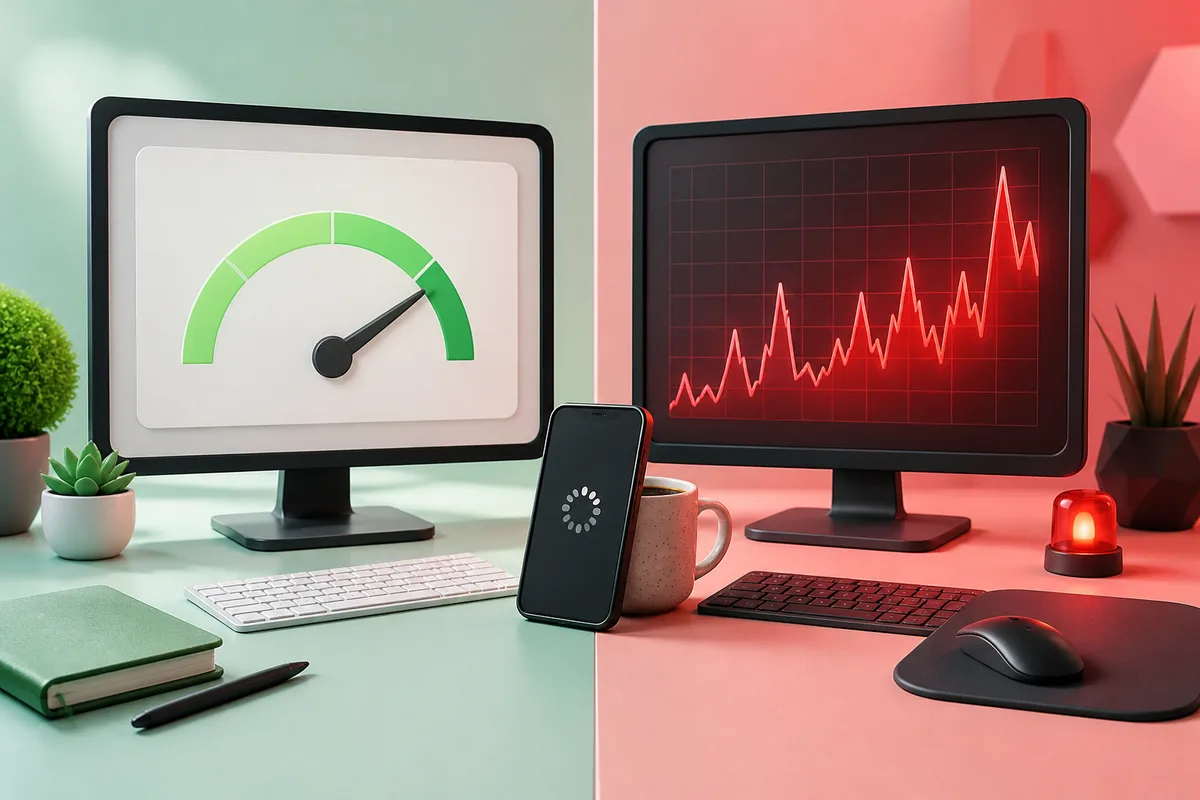
On a Tuesday standup, the mobile team flagged that the internal operations dashboard had a p95 load time of 4.2 seconds, and support tickets about a frozen white screen were piling up.
The page was a single async Server Component that fetched the signed in user, account stats, recent activity, and notification counts, each with its own await statement, one after another.
In the rest of this story
- Why Sequential Awaits Create Waterfalls
- The Fix: Suspense Boundaries Plus the use() Hook
- The Client Side: Unwrapping Promises With use()
- Trade-offs And The Numbers That Matter
- Pitfalls We Hit In Production
Member-only story
Checking your membership…
Members read every Tech Buzz story in full, with code examples, audio and the discussion, plus every course, quiz and interview set in the Learning Dashboard.
Previous Story
Amazon Q Developer Debugged Our 3 AM ECS Outage Before My Coffee Finished Brewing
 AWS & DevOps•9 min read
Next Story
The Celebrity Tweet That Broke Our Feed: Fan-out Explained
 System Design•10 min read

Written By
MCB Editorial
Tech Buzz Daily Desk. Contributing deep-dive engineering architectures, cloud paradigms, and system design insights to Master Class Buddy.