Learning Objectives & Key Takeaways
0 / 4 Completed- Understand Emerging Tech core architecture and runtime execution model
- Audit real-world latency, throughput benchmarks, and memory footprint
- Implement zero-downtime deployment patterns with resilience guards
- Verify code snippets and architect blueprints against production SLOs
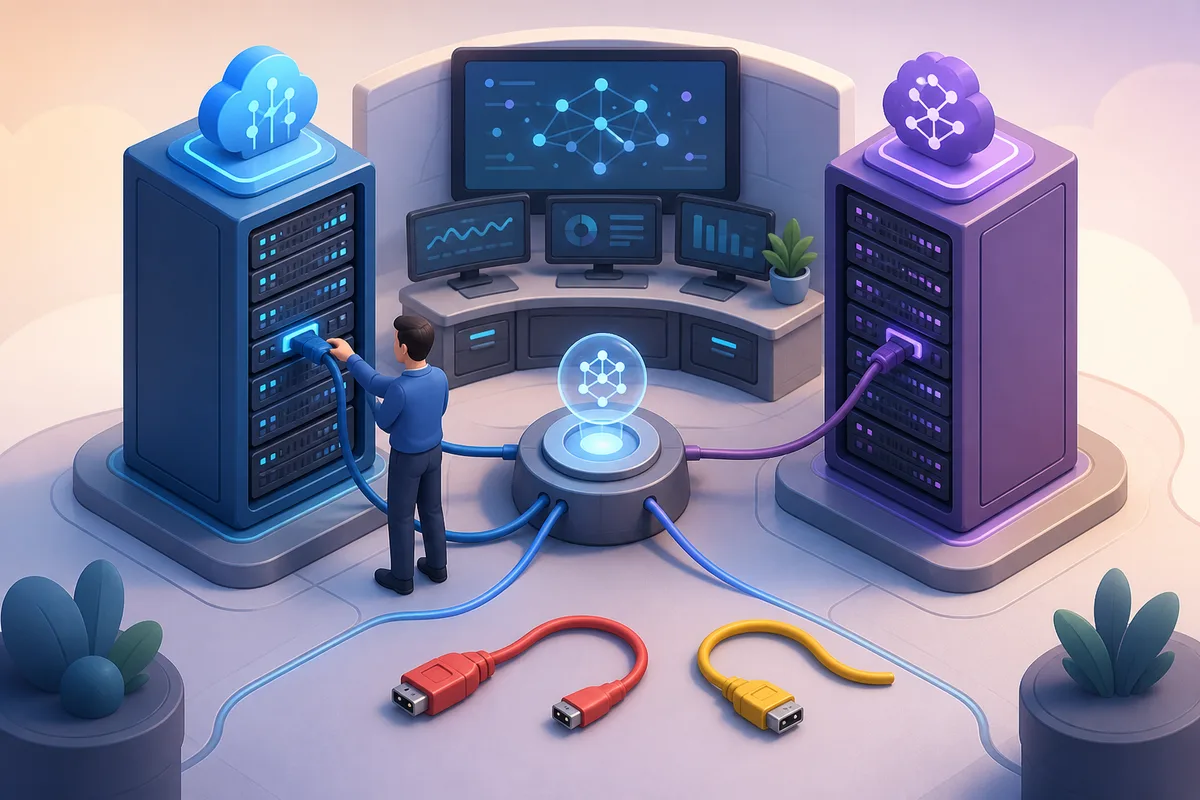
- The Agents API, Agents SDK, and Responses API solve different ownership problems, not the same problem three times.
- Losing a session ID mid-task forces a full restart because the Agents API relies on persisted session state.
- Codex CLI talks to a configurable Responses API endpoint, including local Ollama or LM Studio via --oss.
- The codex mcp command turns Codex into two callable tools, codex and codex-reply, for the Agents SDK.
- Interviewers now probe session design, event streaming, and sandbox boundaries, not just prompt wording.
The Outage That Started With the Wrong Agent Surface
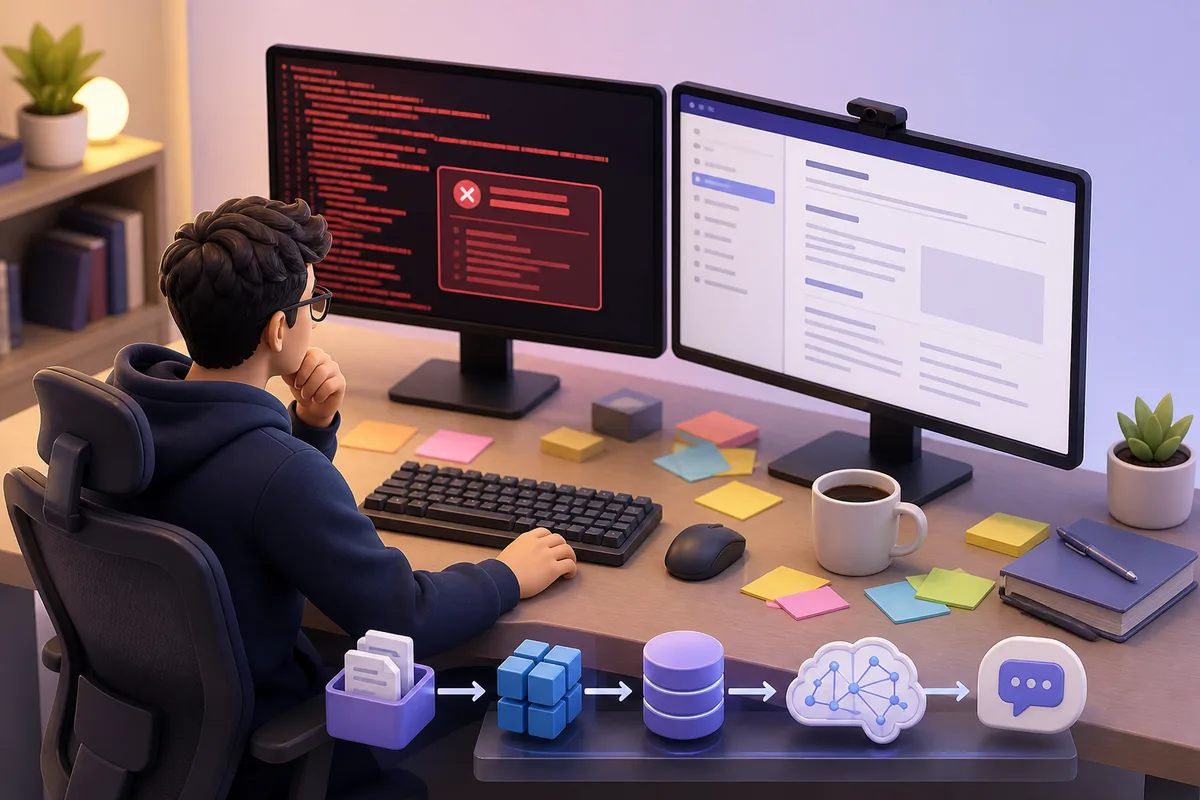
It was a Tuesday release night when the on-call engineer watched a coding agent silently restart from scratch for the third time, burning through token budget and redoing a database migration review it had already finished twice.
The root cause was not a bad prompt or a flaky model, it was a missing session ID. The team had wired a script against the Agents API, which manages the Codex harness, context compaction, and recovery on OpenAI's side, but nobody persisted the session identifier the API handed back after the first turn.
- Three Ways to Run an Agent, and When Each One Wins
- Standing Up a Managed Session With the Agents API
- Wiring Codex Into Your Own Agent Loop With MCP
- Where the Codex CLI Actually Talks To
- What Recruiters and Tech Leads Will Actually Test For
Checking your membership…
Members read every Tech Buzz story in full, with code examples, audio and the discussion, plus every course, quiz and interview set in the Learning Dashboard.
Reasoning Models, MCP, and the Plumbing Behind AI Agents in 2026
 AI Trends•9 min read
Five Agent Frameworks, Two We Can Actually Verify: A Documentation-First Comparison
 Agent Frameworks•9 min read

MCB Editorial
Tech Buzz Daily Desk. Contributing deep-dive engineering architectures, cloud paradigms, and system design insights to Master Class Buddy.