Narrated by Study Buddy Narration
Voiceover Engine • Interactive Audio Sync
0:008:00
Learning Objectives & Key Takeaways
0 / 4 Completed- Understand Python & AI core architecture and runtime execution model
- Audit real-world latency, throughput benchmarks, and memory footprint
- Implement zero-downtime deployment patterns with resilience guards
- Verify code snippets and architect blueprints against production SLOs
Architecture Ready
100%
What you will learn
- Model names and SDK call signatures change often, so copying them from old posts can break silently.
- Hugging Face's Trainer class requires the Accelerate package to be installed before you can use it.
- Always open the provider's live API reference before you hardcode a model name or parameter in production code.
- Vector search breaks silently if embedding dimension or distance metric does not match your index.
- A disciplined RAG architecture separates verified code from parts that still need a documentation check.
The Day the Model Name Didn't Exist
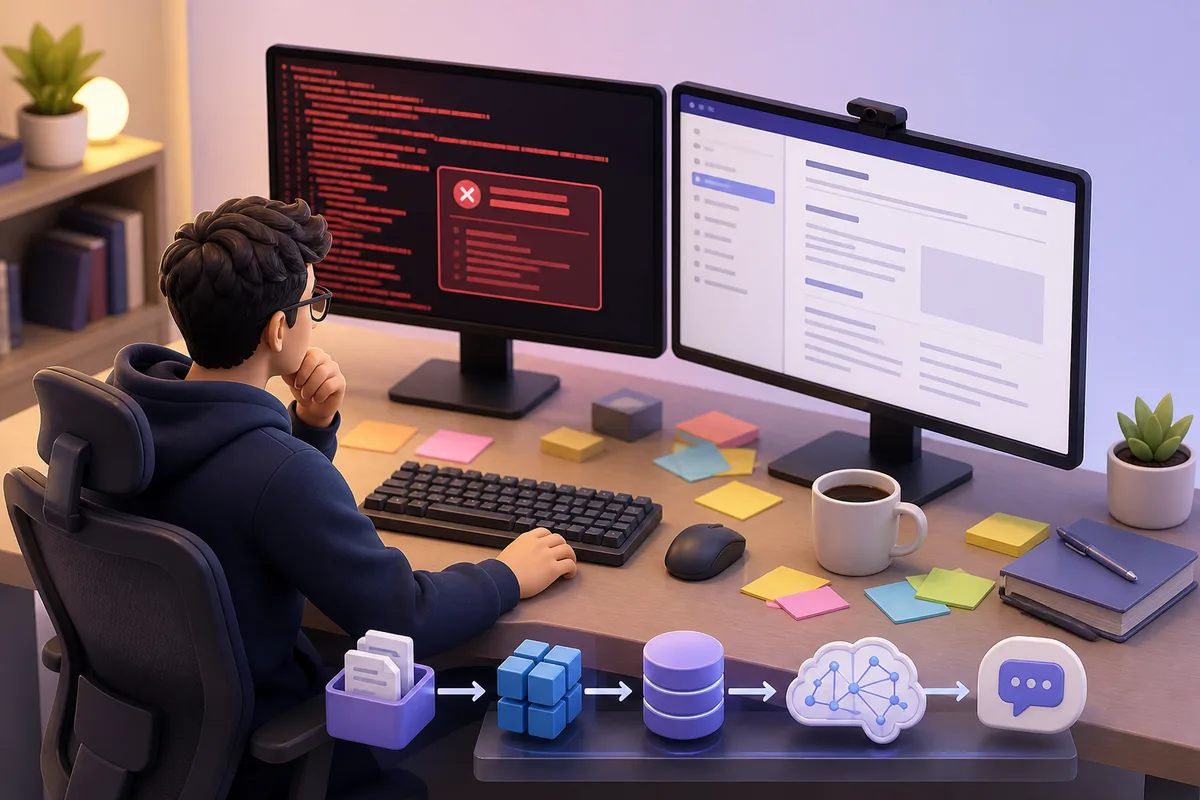
A mid sized team building an internal support assistant copied a retrieval augmented generation example from a tutorial they found online, wired it into FastAPI, and demoed it successfully in a local environment where a cached response masked the real request path.
When they pushed to staging with live API calls, the request failed immediately because the hardcoded model identifier in the snippet no longer matched anything the provider accepted, and nobody on the team had opened the provider's current reference page to check.
In the rest of this story
- Why This Post Won't Hand You Copy-Paste OpenAI Code
- The One Thing We Can Verify Today: Transformers Plus Accelerate
- Calling an LLM API: What To Verify Before You Write a Line
- Embeddings and Vector Search: The Numbers That Must Match Exactly
- Designing a RAG FastAPI Service Without Guessing
Member-only story
Checking your membership…
Members read every Tech Buzz story in full, with code examples, audio and the discussion, plus every course, quiz and interview set in the Learning Dashboard.